

Body BEFORE & AFTER Patient 185: Breast Augmentation with Pre-Axillary Liposuction
*Keep in mind that each patient is unique and your results may vary.
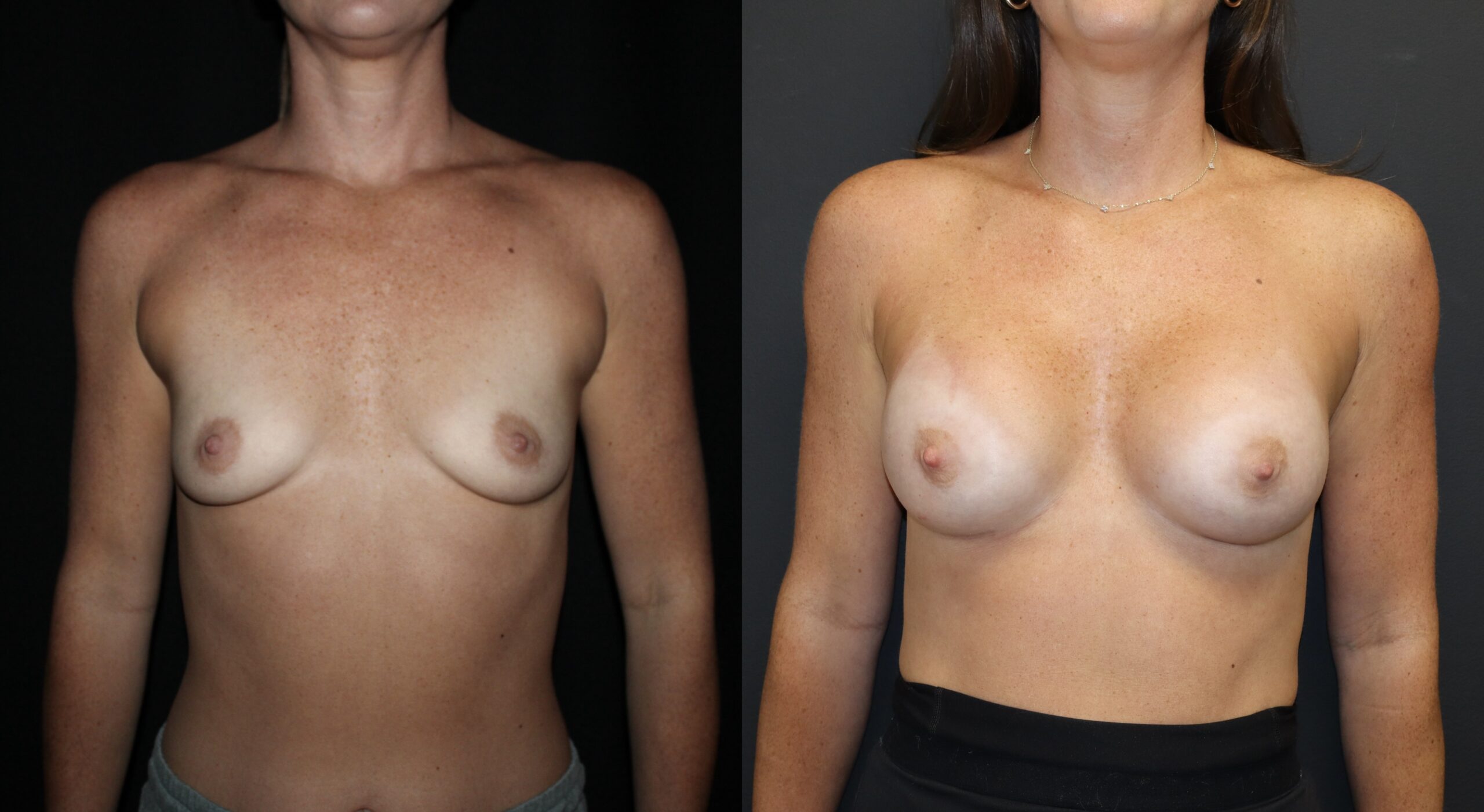
Before & After
Patient 185: Breast Augmentation with Pre-Axillary Liposuction
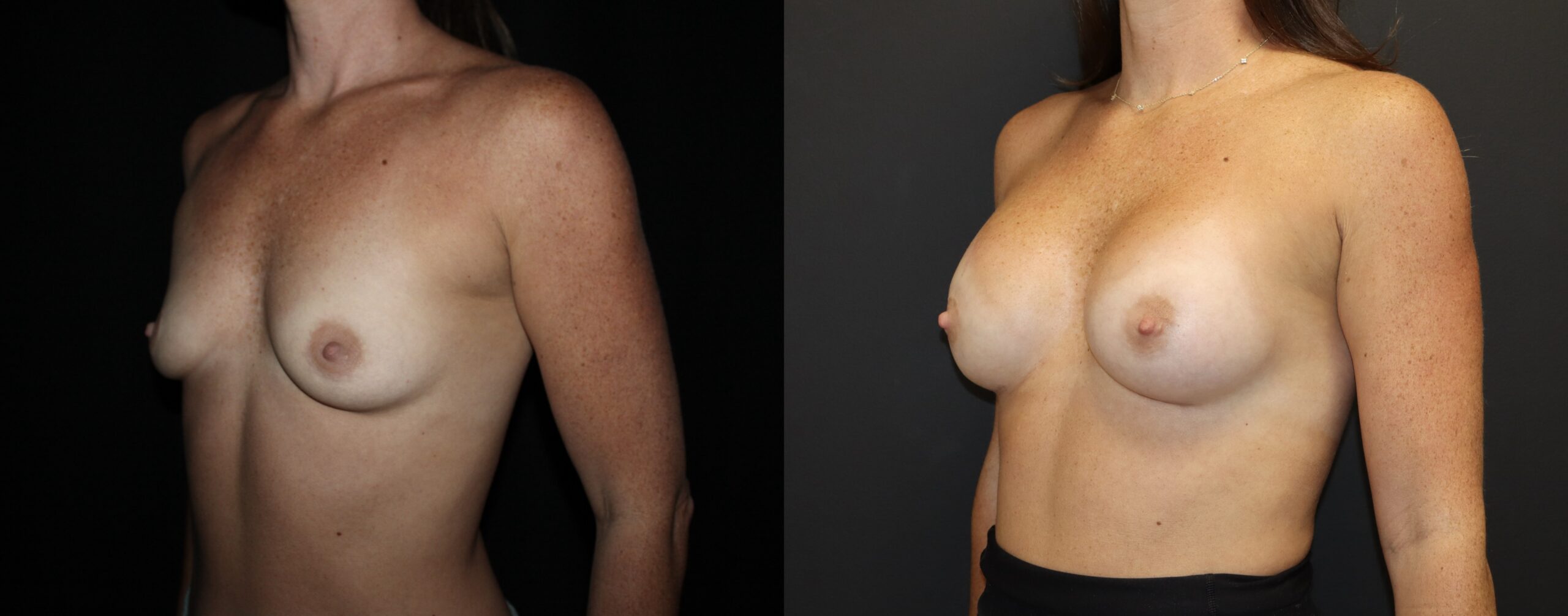
Patient 185: Breast Augmentation with Pre-Axillary Liposuction
A 36-year-old female patient underwent elective breast augmentation with pre-axillary liposuction performed by Dr. Crantford at Crantford Costa Plastic Surgery in Charleston, South Carolina. Breast augmentation was completed using Motiva ERSD 300cc implants placed in the submuscular plane to enhance breast volume and achieve a natural contour. Pre-axillary liposuction was performed to improve the transition between the lateral chest wall and the breasts, creating a more refined upper body silhouette. Photos are shown at 6 weeks post-op.
Combining breast augmentation with pre-axillary liposuction addresses a transition area that implants alone cannot fully refine: the region where excess fullness along the side of the chest can blur the natural contour between the breast and underarm. By treating both areas in the same surgical session, Dr. Crantford was able to create a cleaner, more proportionate silhouette from the front and side. At 6 weeks post-op, this patient shows enhanced volume and a smoother chest-to-breast transition, with final results continuing to refine over the coming months.
What is pre-axillary liposuction, and why is it paired with breast augmentation?
Pre-axillary liposuction removes excess fat from the area between the breast and underarm, a region that can create a bulky or uneven transition even after implants are placed. Combining it with breast augmentation allows Dr. Crantford to refine the whole chest silhouette in one procedure rather than leaving that transition area untreated.
What does submuscular implant placement mean?
Submuscular placement positions the implant partially beneath the chest muscle rather than directly on top of it. This placement is often chosen for its natural look and feel, more gradual upper pole slope, and lower long-term risk of visible implant rippling.